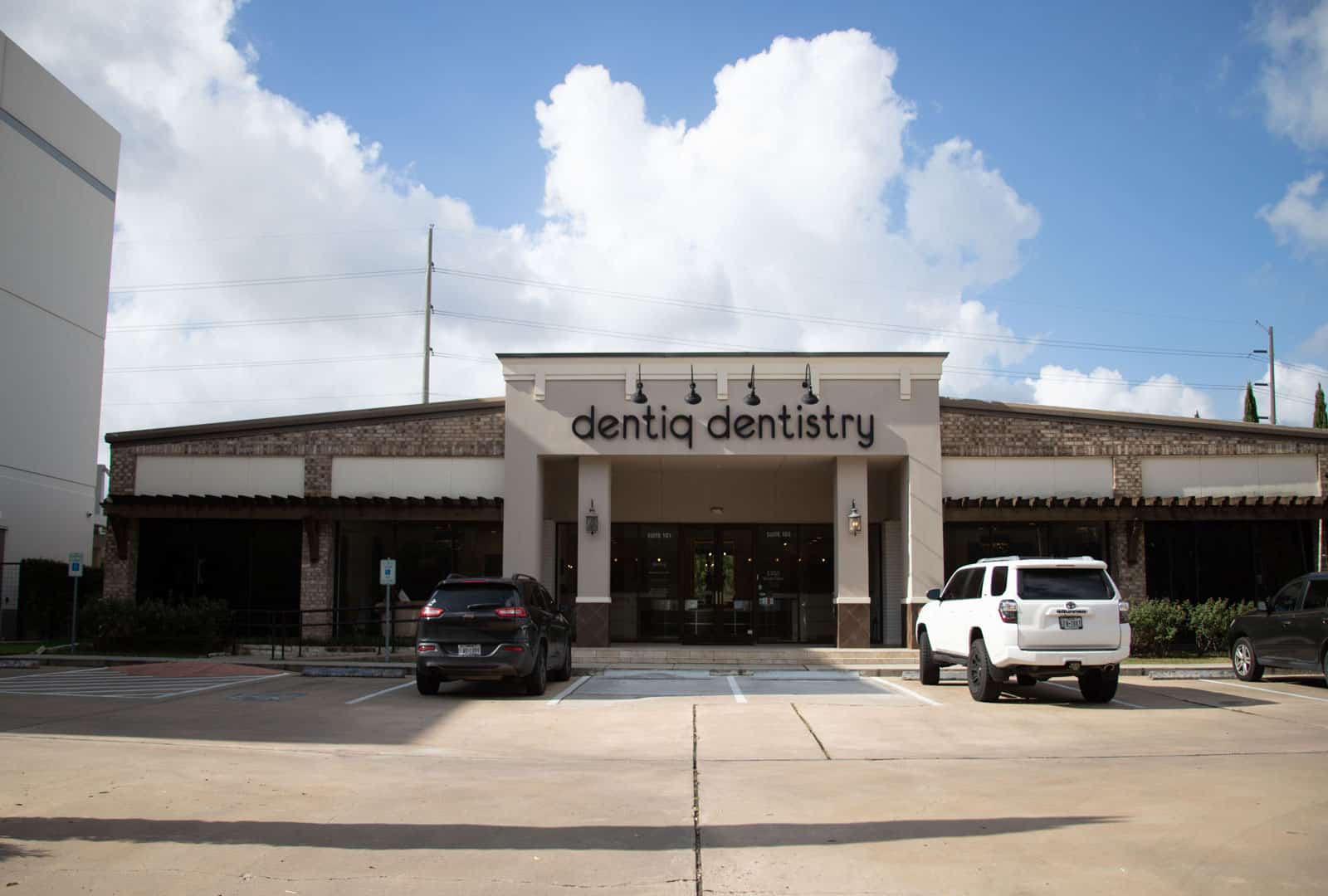
June 8, 2026 · Dentiq Dentistry
How to Handle a Dental Emergency in Houston: A Step-by-Step Guide
A dental emergency doesn’t wait for a convenient time. Whether you’ve cracked a tooth biting into something hard, knocked out a tooth in an accident, or woken up with a jaw so swollen it’s hard to open your mouth, the first hour matters — a lot. The short answer: stay calm, manage the immediate problem with what you have at home, call a dentist right away, and get seen the same day if at all possible. What you do in those first 30–60 minutes can be the difference between saving a tooth and losing it permanently.
This guide walks through the most common dental emergencies step by step, explains what to do before you reach the office, and covers what you can expect when you call Dentiq Dentistry at (713) 526-2904.
What Actually Counts as a Dental Emergency
Not every dental problem requires a same-day visit, but some absolutely do. Knowing the difference helps you make faster decisions.
Situations that are true emergencies — call immediately:
- A knocked-out (avulsed) permanent tooth
- A tooth that’s been pushed out of position or partially displaced
- Severe, throbbing toothache that isn’t controlled by over-the-counter pain relievers
- Facial swelling, especially swelling that extends to your jaw, neck, or under your eye
- Uncontrolled bleeding in the mouth after 10–15 minutes of direct pressure
- A dental abscess with visible swelling, fever, or difficulty swallowing
Urgent but not a 911 situation:
- A cracked or broken tooth with sharp edges but no intense pain
- A lost filling or crown that’s left a sensitive tooth exposed
- A broken dental appliance (wire from braces poking soft tissue, for example)
Can usually wait a few days:
- A chipped tooth with no pain or sharp edges
- A lost filling that isn’t causing discomfort
- A mild toothache that comes and goes
If you’re ever unsure whether something is serious, call the dental office and describe what you’re seeing. A front desk team trained to handle dental questions can help you decide how quickly to come in.
Step-by-Step: What to Do for the Most Common Emergencies
Knocked-Out Tooth
This is the highest-stakes scenario in dental emergency care. A knocked-out permanent tooth can often be re-implanted successfully — but the survival of that tooth drops sharply after 30 minutes outside the socket.
- Pick up the tooth by the crown (the white part you normally see), never by the root.
- If the tooth is dirty, rinse it gently with clean water for no more than 10 seconds. Do not scrub, use soap, or wrap it in a dry cloth or tissue.
- Try to reinsert it into the socket if you can do so without forcing it. Bite down gently on a soft cloth to hold it in place.
- If you can’t reinsert it, store the tooth in milk (the best readily available option), or between your cheek and gum, or in a commercial tooth preservation kit like Save-A-Tooth if you have one. Plain water is a last resort.
- Call the dental office immediately and head in. Bring the tooth with you regardless of condition.
Baby teeth are generally not re-implanted (doing so can damage the developing permanent tooth underneath), but you should still call the office for guidance.
Severe Toothache
A severe toothache — especially one that wakes you up or throbs constantly — often signals an infection, a cracked tooth that’s reached the nerve, or an abscess.
- Rinse with warm saltwater (about half a teaspoon of table salt in 8 ounces of warm water).
- Take ibuprofen or acetaminophen at the label-recommended dose to manage pain. Do not place aspirin directly against the gum tissue — it can cause a chemical burn.
- Apply a cold pack to the outside of your cheek in 20-minute intervals.
- Do not ignore this. A dental abscess left untreated can spread to your jaw, neck, or airway — a situation that becomes a medical emergency, not just a dental one. Houston-area urgent care centers and emergency rooms can handle airway threats, but they can’t treat the underlying dental cause.
- Call for a same-day appointment. Most dental offices, including Dentiq Dentistry, hold space in the schedule for emergencies.
Cracked or Broken Tooth
How you handle this depends on the extent of the break.
- Rinse your mouth with warm water to clean the area.
- If there’s bleeding from the gum, apply gentle pressure with a clean piece of gauze.
- If a fragment has a sharp edge cutting your cheek or tongue, you can place a small piece of orthodontic wax or even softened sugarless gum over the edge temporarily.
- Avoid chewing on that side. Avoid very hot, cold, or sweet foods and drinks, which can trigger sharp pain if the nerve is exposed.
- Call the office and describe the break. If there’s significant pain or visible nerve exposure (the inner part of the tooth looks pinkish or the pain is intense), treat it as urgent.
Lost Crown or Filling
A lost crown or filling leaves a tooth vulnerable, but it’s rarely a true emergency unless there’s significant pain.
- If you still have the crown, you can temporarily re-cement it with dental cement sold at most Houston pharmacies (brands like Dentemp are widely available).
- Clean the inside of the crown gently and dry it before applying the cement. Don’t use super glue.
- If the exposed tooth is sensitive, clove oil (eugenol) applied carefully with a cotton swab can provide temporary relief. A small piece of sugarless gum can also cover an exposed filling site temporarily.
- Schedule an appointment within a day or two. A crown or filling left off too long allows the tooth to shift slightly, which can make re-fitting the crown more difficult or impossible.
What to Expect at Dentiq Dentistry
When you call Dentiq Dentistry at (713) 526-2904 for a dental emergency, describe your symptoms clearly — what happened, when it started, how severe the pain is on a scale of 1 to 10, and whether there’s any swelling. This helps the team triage appropriately and prepare for your arrival.
At the appointment itself, the dentist will typically take a targeted X-ray of the area to assess the roots and surrounding bone, then examine the tooth and soft tissue directly. From there, the plan depends on what’s found:
- For a knocked-out or displaced tooth: Reimplantation or stabilization with a splint bonded to neighboring teeth, followed by a root canal in the coming weeks if the nerve doesn’t survive.
- For a severe infection or abscess: Drainage of the abscess, a prescription for antibiotics if needed, and a treatment plan that likely includes either a root canal or extraction depending on how salvageable the tooth is.
- For a cracked tooth: The range runs from a crown to protect a deep crack, to a root canal if the crack has reached the pulp, to extraction in severe cases.
- For a lost crown or filling: Re-cementing an existing crown if it’s intact, or building up the tooth and making a new restoration if not.
Pain management is part of every emergency visit. Local anesthetic is used for any procedure that touches a live nerve, and the team can discuss options if dental anxiety is making the situation harder.
Preventing the Next One
Some dental emergencies are genuinely unpredictable — accidents happen. But a fair number are preventable:
- Wear a mouthguard during contact sports. A custom-fitted guard from your dentist offers better protection than an over-the-counter boil-and-bite version.
- Don’t use your teeth as tools. Opening packages, cracking nuts, or cutting tape with your teeth is a reliable way to crack a cusp.
- Keep up with regular checkups. A small crack or deep cavity caught early is a filling or crown; left alone, it can become a fractured tooth or abscess that requires emergency care.
- Address teeth grinding (bruxism). Chronic grinding weakens enamel and can crack teeth over time. A nightguard is a relatively simple solution.
Frequently Asked Questions
How quickly do I need to see a dentist for a knocked-out tooth? Within 30 minutes gives you the best chance of successful reimplantation. After an hour, the odds drop significantly. If it’s outside business hours, try to find an emergency dentist or go to an emergency room — they may not be able to reimplant the tooth, but they can preserve it and refer you to a dentist immediately.
Is a dental abscess dangerous? Yes, if left untreated. An abscess is a bacterial infection, and in rare but documented cases, it can spread to the jaw, neck, or even the brain. If you have facial swelling along with fever, difficulty swallowing, or trouble breathing, go to an emergency room — that’s no longer just a dental problem.
Can I go to a regular ER for a dental emergency? An ER can manage airway threats, prescribe antibiotics for spreading infections, and provide stronger pain medication. They generally cannot do dental procedures like extractions or root canals. For anything that’s primarily dental in nature, a dentist is the right call.
What if my dental emergency happens after hours? Call the dental office — many practices have an after-hours line or a recorded message with emergency instructions. If you’re in significant pain or have facial swelling, an urgent care center can manage pain and infection temporarily until you can see a dentist.
Does dental insurance cover emergency visits? Most dental insurance plans cover at least a portion of emergency exams and X-rays, typically under diagnostic benefits. Treatment costs (fillings, root canals, extractions) are usually covered at the same rates as non-emergency care, subject to your annual maximum. Call your insurance carrier or the front desk to clarify coverage before your visit if you can.
Ready to be seen? Call Dentiq Dentistry at (713) 526-2904 or schedule online.